
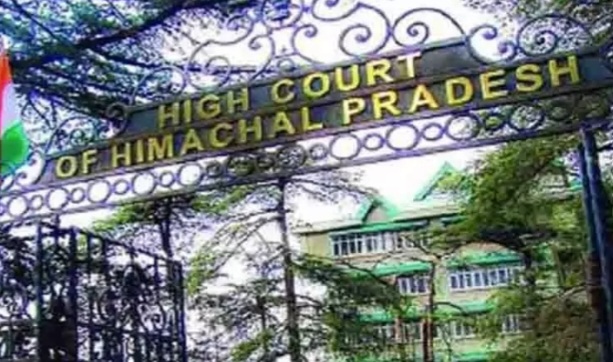
HC Stays Himachal Govt's Order Dissolving Tribal Panchayats, Restores Elected Bodies
SHIMLA, JULY 1: In a significant setback to the Himachal Pradesh Government, the High Court has stayed the State's decision to prematurely dissolve Panchayati Raj Institutions (PRIs) in the tribal areas of Lahaul-Spiti and Pangi, holding that the elected representatives have a vested right to complete their five-year tenure.
The Division Bench headed by the Chief Justice, while hearing CWP No. 10322 of 2026, ordered that the notification dated June 24, 2026 dissolving Gram Panchayats, Panchayat Samitis and Zila Parishads in Keylong subdivision of Lahaul-Spiti and Pangi subdivision of Chamba would remain stayed until further orders.
The Court also allowed the petitioners and all similarly placed elected representatives to continue in office.
The petition was filed by Deepak Chauhan and other elected Panchayat representatives, who challenged the government's decision to dissolve the existing Panchayati Raj Institutions nearly four months before their scheduled tenure was to end on October 17, 2026.
The petitioners argued that although fresh Panchayat elections were conducted in May this year under directions of the Supreme Court, the tenure of the existing elected bodies could not be curtailed.
The High Court observed that Article 243E of the Constitution guarantees a five-year tenure to Panchayats from the date of their first meeting and protects that tenure from being reduced through subsequent legal changes.
The Bench noted that the petitioners possessed a vested right to hold office and that the government's notification prima facie infringed upon those constitutional protections.
During the hearing, the State defended its decision by relying on the newly inserted Section 120(4) of the Himachal Pradesh Panchayati Raj Act, introduced through the 2025 amendment, contending that Panchayats constituted later because of force majeure or similar circumstances should have a tenure running concurrently with Panchayats across the State.
The petitioners, however, argued that the amendment came into force only on January 9, 2026 and could not operate retrospectively to shorten the tenure of Panchayats that had already been constituted.
They maintained that the constitutional guarantee of a full five-year term remained intact.
The Court found merit in this contention and also pointed out that the State had itself issued a notification on June 6, 2026, fixing October 18, 2026 for the first meeting of the newly elected Panchayats.
However, barely weeks later, the government modified the notification on June 24 and advanced the first meetings to June 27, 2026, effectively ending the tenure of the existing Panchayats months ahead of schedule.
The Bench observed that this change appeared detrimental to the interests of the sitting elected representatives and involved a larger public interest.
Issuing notices to the respondents and seeking their replies before the next hearing on August 12, 2026, the High Court directed that the impugned notification shall remain stayed.
Until further orders, the existing Panchayat representatives in the affected tribal areas will continue to discharge their duties.