
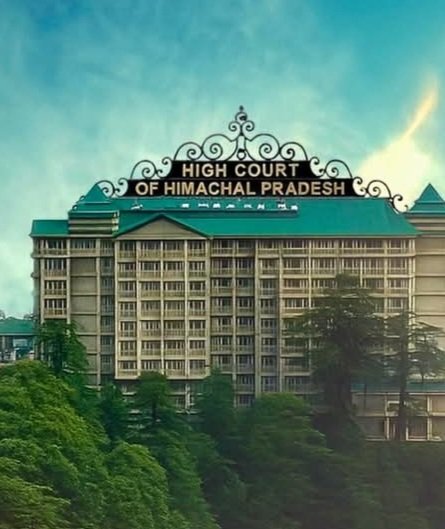
HC Cracks the Whip on Waste Mess in Himachal, Seeks ₹111 Cr Audit, Fixes Deadline for Baddi Dump Cleanup
Shimla: The Himachal Pradesh High Court has tightened the screws on the State’s failing waste management system, making it clear that excuses won’t cut it anymore.
Hearing the long-running Suleman vs Union of India case, the court has demanded financial transparency, strict timelines for clearing legacy waste, and real accountability from authorities on the ground.
In its March 18 order, a Bench led by the Chief Justice flagged a glaring gap between funds allocated and actual work done.
The court has now asked the government to come clean on nearly ₹111 crore—where the money went, how much was actually used, and why garbage continues to pile up despite years of funding.
Money Given, But Where’s the Work?
The court didn’t mince words while questioning urban local bodies over poor recovery of user charges. It directed authorities to plug leakages, fix collection systems, and go after defaulters instead of crying fund shortages.
The message is blunt: lack of funds is no longer a valid excuse.
Baddi’s Kenduwal Dump Under Scanner
The spotlight is firmly on the Kenduwal waste site in Baddi, managed by the Baddi Barotiwala Nalagarh Development Authority, where mountains of untreated garbage continue to grow.
Calling the situation unacceptable, the court has ordered:
A time-bound plan to clear legacy waste
Separation of fresh and old waste streams
CCTV monitoring and proper fencing
Immediate steps to tackle land and capacity constraints
The site has effectively become a test case for whether Himachal can handle its own waste scientifically—or not.
Deposit Refund Scheme Gets Judicial Push
In a significant boost to reform, the court backed the newly notified Deposit Refund Scheme (DRS), 2025.
The system will put the onus on companies to take back plastic, glass, and packaging waste through a traceable refund mechanism.
The court called it a “significant step” but warned that notification alone is meaningless without strict implementation.
Polluters Beware
The Himachal Pradesh Pollution Control Board has been directed to crack down on companies dumping waste near rivers and public spaces. The court reiterated the “polluter pays” principle, making it clear that violators will face penalties.
Garbage Tracking Goes Digital
Authorities informed the court that “Garbage IDs” have been issued to households to track waste collection and user charge payments. The bench observed that digitisation could improve accountability—if actually enforced.
DLSA to Act as Ground Watchdog
In a sharp move, the court has empowered District Legal Services Authorities to identify garbage hotspots and report directly to officials. This creates an independent monitoring layer, bypassing the usual bureaucratic paperwork.
Rural Areas Not Off the Hook
The court also pushed for implementation of waste rules in villages, directing Panchayats to enforce user charges and adopt structured waste systems under newly framed bye-laws.
Years of Orders, Limited Change
What began as a local dispute in Baddi has now snowballed into a statewide environmental audit.
Over the years, the High Court has issued repeated directions on: Clearing garbage hotspots, Setting up waste plants, Regulating plastic waste, Fixing accountability across departments
Yet, the ground reality continues to expose gaps between policy and execution.
Next Hearing: The court has sought fresh compliance reports by May 14, 2026. With stricter scrutiny now in place, the coming weeks could decide whether Himachal finally cleans up its act—or continues to drown in its own waste.