My Journey to Sri Kedarnath Dham: A Divine Encounter with Lord Shiva
On this auspicious Monday, dedicated to Lord Shiva, I am reminded of my unforgettable pilgrimage to Sri Kedarnath Dham in 2016, one of the twelve sacred Jyotirlingas nestled high in the Himalayas of Uttarakhand.
Recently, an old colleague and friend asked me how to travel to Kedarnath. Perhaps he was planning a pilgrimage himself. As I shared my experience with him, memories of that divine journey came flooding back.
My wife and I started our journey from YSP University, Nauni, driving our own car to Rishikesh. Friends from Delhi joined us there. We spent the night in Rishikesh and parked our vehicles.
Even today, I advise pilgrims not to take their own vehicles further into the mountains. Local transportation is far more convenient and less stressful.
The next day, we hired a taxi to Phata via Guptkashi, a journey of about 190 kilometres. Phata is an important base station for Kedarnath pilgrims and houses one of the major helipads serving the shrine.
We booked helicopter tickets for the first flight of the morning. In those days, fares were calculated according to body weight. My ticket cost around ₹4,800 while my wife's was approximately ₹4,200.
Seating arrangements were also adjusted according to passenger weight, so even spouses were not always seated together.
The helicopter ride remains one of the most thrilling experiences of my life. Flying through deep Himalayan gorges and between sharply cut mountain peaks was both breathtaking and terrifying.
Within barely ten minutes, we landed at the Kedarnath helipad, situated amid snow-clad peaks and immense spiritual energy.
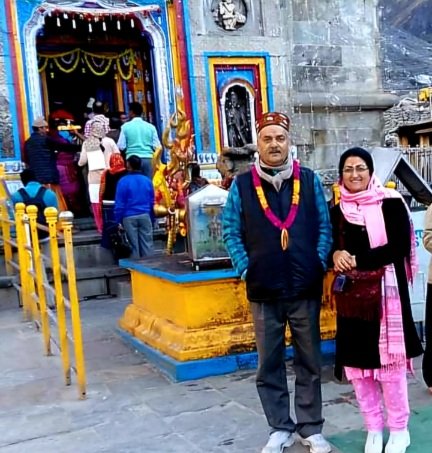
From the helipad, the journey is on foot. Being a pahari, I found the walk relatively easy and reached the temple complex quickly. The atmosphere was charged with devotion as thousands of pilgrims queued patiently for darshan.
I would advise devotees from Himachal Pradesh to locate their traditional family priests or pandas. As I was wearing a Himachali cap, a priest immediately recognized me and guided me through the process. The ancient stone-built temple, constructed from massive interlocked boulders, inspires awe and reverence.
Inside the sanctum sanctorum, space is limited and darshan is brief. The sacred Jyotirlinga at Kedarnath is unique, appearing in the form of a natural hump. I offered ghee, flowers and dry fruits to Lord Shiva.
Every devotee gets only a few precious moments before the deity, but those moments remain etched in memory forever.
Outside the temple sits the eternal sentinel, Sri Nandi. According to Shiva tradition, devotees whisper their wishes into Nandi's ears, believing that he conveys them to Lord Shiva, who remains immersed in eternal meditation. I knelt before Nandi, offered flowers and prayers, and silently shared my hopes and aspirations.
Throughout my stay, I continuously recited "Om Namah Shivaya." Even those unfamiliar with longer mantras can simply chant these sacred words and feel connected to the divine energy surrounding Kedarnath.
The temple complex is dotted with shrines dedicated to Shiva's ganas, saints and ascetics. Sacred dhunis burn continuously, tended by sadhus who have spent years in devotion. I always advise pilgrims not to be miserly when visiting Kedarnath. Offer whatever you can with faith and humility.
One remarkable sight is the gigantic boulder behind the temple, now revered as the divine protector that shielded the shrine during the devastating 2013 floods and cloudburst. Standing before it, one cannot help but marvel at nature's power and divine grace.
There are plenty of food stalls, tea shops and stores selling malas, souvenirs and puja items. I found the entire pilgrimage zone surprisingly disciplined and peaceful. There was no chaos, no cheating and no nuisance—only the continuous chant of "Har Har Mahadev."
Weather in Kedarnath changes within minutes. Warm sunshine can suddenly give way to cold winds, mist or rain. Carrying adequate woollens is essential, even during summer.
After spending four to five hours at the shrine, we returned to the helipad and flew back to Phata. Accommodation is easily available at the base station, with numerous hotels and guest houses catering to pilgrims.
From there, one can either return to Rishikesh or continue further towards Chamoli and the sacred Sri Badrinath Dham.
Looking back, I have one special recommendation for every Shiva devotee. If you visit Kedarnath, try to complete the sacred Shiva circuit by also visiting Sri Pashupatinath in Kathmandu and Sri Kashi Vishwanath in Varanasi within a couple of years. I have been blessed to visit all three. Together, these shrines represent a profound spiritual journey across the Himalayan and Gangetic landscapes of the Indian subcontinent.
The entire pilgrimage cost us approximately ₹40,000 at that time. The expenses may be higher today, but the spiritual rewards remain beyond calculation.
For me, Kedarnath was not merely a journey through mountains. It was a journey inward—a reminder of humility, faith and the eternal presence of Lord Shiva amidst the grandeur of the Himalayas.