Himachal also Needs to Fix issues of forest fires, bogus plantations and Encroachments
Shimla | Feb 2, 2026
Himachal Pradesh aims to raise its forest cover from 29.5 per cent to 31 per cent by 2030, but the target, though modest on paper, hides a far bigger challenge on the ground where forest quality matters more than mere numbers.
A large part of the recorded forest area is already degraded or open forest, offering limited ecological value, which raises serious questions about whether increased cover will translate into healthier and more resilient ecosystems.
Nearly 16,376 sq km of the state is snow-bound, barren or highly mountainous, where plantation is not feasible, sharply restricting the scope for realistic expansion of forest cover.
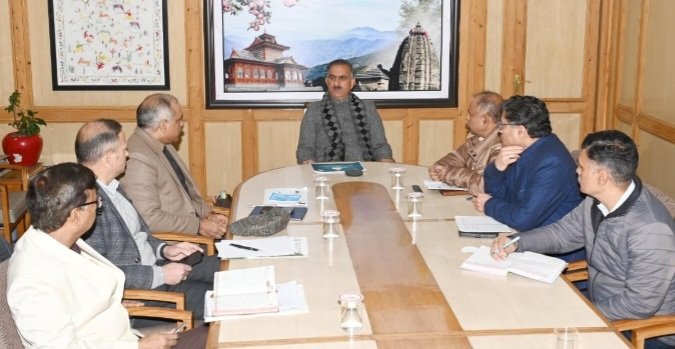
Chief Minister Thakur Sukhvinder Singh Sukhu set a target to raise Himachal Pradesh’s forest cover from 29.5 per cent to 31 per cent by 2030, directing the Forest Department to prepare a time-bound, district-wise roadmap.
He said nearly 16,376 sq km of the state is snow-bound, barren or mountainous, where plantation is not feasible, and stressed that future plantations must focus on identified viable areas with emphasis on native, fruit-bearing and medicinal species.
Reviewing achievements, Sukhu said plantation was carried out over 924.9 hectares last year under the Rajiv Gandhi Van Samvardhan Yojana, involving 285 Mahila Mandals, 70 Yuvak Mandals, 59 SHGs and 13 community organisations.
He said the government has set a plantation target of 5,000 hectares in the next financial year, of which 3,376 hectares have already been identified.
But tge fact is that the past plantation drives, particularly during Van Mahotsavs, have drawn criticism as saplings were planted in large numbers but many failed to survive due to poor planning and weak post-plantation care and forest fires.
A review of the survival rate of past plantations is long overdue, as plantation without protection and scientific monitoring serves little purpose and weakens public confidence.
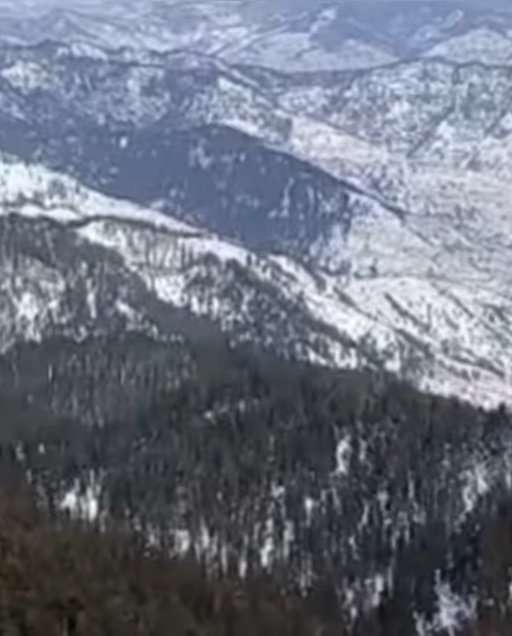
Saving plantations from forest fires must be placed high on the agenda, as summer and dry winter months fires routinely wipe out years of plantation work and existing prevention systems remain inadequate.
Illicit felling continues to drain forest wealth, while patchy enforcement and weak penalties fail to act as effective deterrents on the ground.
Encroachments on forest land pose a silent but permanent threat and large tracts of forest lands, ghasnis are still barren and need sustained afforestation campaign. Forests are lost for good and restoration becomes nearly impossible.
While community participation has shown promise, incentives alone cannot ensure success unless backed by long-term protection and sustained local engagement.
Ultimately, protecting existing forests is far more critical than chasing fresh plantation targets
The real test will be whether Himachal’s forests become denser and healthier, not whether targets are achieved in official records stacked by tge DGOs, CCFs and bureaucrats.
#ForestProtection
#SaveHimachalForests
#StopForestFires
#GreenHimachal