SHIMLA: The oath-taking ceremony of newly elected Pradhans and Up-Pradhans at district headquarters, where ministers administered the oath, has generated considerable discussion across Himachal Pradesh.
While the event carried symbolic significance, it also raises important questions about governance priorities, financial prudence and the role of grassroots institutions in tackling social challenges, particularly the growing drug menace.
As someone who has closely observed the functioning of local self-governments and public institutions over the years, I find myself asking whether such large-scale ceremonies were necessary at a time when the state is grappling with a severe financial crisis and repeatedly advocating austerity measures.
When every department is being asked to cut expenditure and prioritise essential spending, the optics of organising elaborate oath-taking functions naturally invite scrutiny.
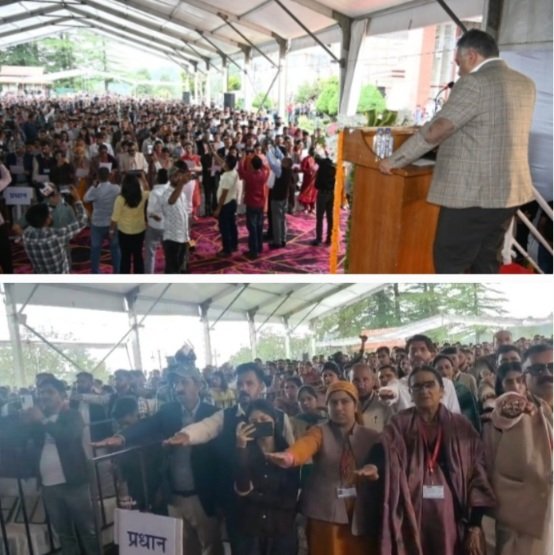
The event also brings into focus the issue of political involvement in institutions that are constitutionally designed to function on a non-party basis. Panchayat elections in Himachal Pradesh are officially non-political. Against that backdrop, the prominent role played by ministers in administering the oath creates an impression of political interference, even if the intention was to encourage newly elected representatives.
Another question that deserves attention is whether all elected local bodies have been treated equally. If the government considered it necessary for Pradhans and Up-Pradhans to take their oath before ministers at district headquarters, why was a similar process not adopted for elected representatives of Nagar Panchayats, Panchayat Samitis and Zila Parishads?
These institutions derive their authority from the same constitutional framework and their members are elected through a similar democratic process. The differing treatment raises legitimate questions about parity and consistency in dealing with local self-government institutions.
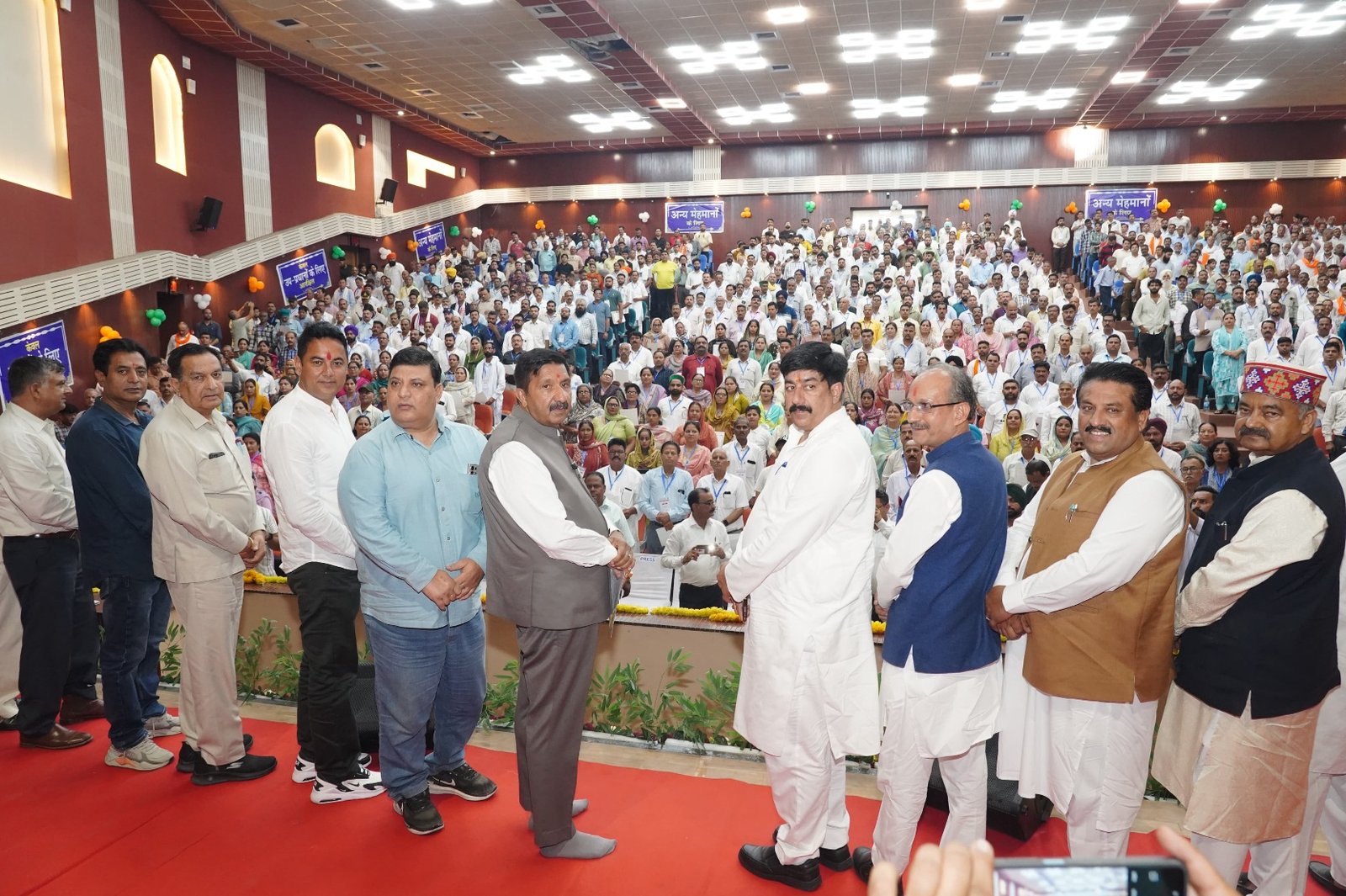
Yet, amid these concerns, one aspect of the ceremony stands out as genuinely meaningful. The pledge taken by Pradhans and Up-Pradhans against drug abuse and "Chitta" offers hope that grassroots institutions can become powerful partners in the state's campaign against narcotics.
Himachal Pradesh is facing an unprecedented challenge from synthetic drugs. The spread of Chitta has devastated families, destroyed young lives and created social anxiety across urban and rural areas alike. Any initiative that mobilises communities against this menace deserves appreciation.
The recent volleyball tournament organised in Shimla under the theme of anti-Chitta awareness is another example of how sports and social campaigns can be combined to send a strong message to youth. Such initiatives may appear small individually, but collectively they help create public consciousness and encourage community participation in the fight against drugs.
I am reminded of the sustained efforts undertaken by the Himachal Pradesh State Legal Services Authority (HPSLSA) over the past decade. Through more than 1,250 awareness camps involving nearly one lakh participants and stakeholders, the authority has consistently worked to educate communities about the dangers of drug abuse and the need for rehabilitation and prevention.
One of the most significant milestones in this journey was the National Conference on Drug Abuse in India held at Manali in June 2015. The conference was attended by the then Chief Minister, judges of the Supreme Court and the Himachal Pradesh High Court, along with legal experts and policymakers. The deliberations eventually led to the formulation of a dedicated scheme by the National Legal Services Authority (NALSA) for awareness generation and eradication of drug abuse. Since then, structured awareness programmes have been conducted across the country.
These campaigns have succeeded because they involve a wide spectrum of stakeholders, including Panchayat representatives, Mahila Mandals, Yuvak Mandals, non-governmental organisations, self-help groups and educational institutions. However, much more can still be achieved if Panchayati Raj Institutions assume a more proactive role.
The newly elected Panchayat representatives are uniquely positioned to lead this social movement. Unlike distant government agencies, they enjoy direct access to villagers and command a level of trust that can make awareness campaigns more effective. They can reach households, engage parents, interact with schools and identify vulnerable youth before addiction takes hold.
The government should seriously consider introducing special incentives for Panchayats that successfully make their villages drug-free or Chitta-free. Recognition, awards and development grants linked to social outcomes could encourage healthy competition among local bodies and transform anti-drug campaigns into people's movements.
Innovative community-based interventions are equally important. Panchayats can facilitate anonymous support groups involving reformed addicts while protecting their identities and dignity. Such individuals often have the credibility to persuade young people to avoid the path they themselves once followed. Parents, too, can be brought into confidence through discreet community networks that focus on support rather than stigma.
Drug rehabilitation centres occupy a crucial place in this ecosystem. Early intervention remains the key to successful recovery. Panchayats can play an important role in identifying affected individuals and helping families access rehabilitation facilities at the earliest stage. A locally driven anonymous referral mechanism could become a valuable tool in preventing addiction from becoming a lifelong tragedy.
The state government has undoubtedly taken several strong measures to curb drug trafficking, and the police deserve credit for intensifying enforcement against narcotics networks. However, law enforcement alone cannot eliminate the menace. The challenge is as much psychological and social as it is criminal.
This is the moment to launch a sustained psychological campaign that changes public attitudes towards drugs. The battle against Chitta must move beyond police stations and courtrooms into homes, schools, playgrounds and village meetings. If Panchayats, community organisations, parents, teachers and youth join hands, Himachal Pradesh can build a powerful social movement against addiction.
The oath-taking ceremony may have sparked debate over expenditure and protocol, but if the anti-drug pledge taken by the newly elected Panchayat leaders translates into action on the ground, it could emerge as the most enduring and meaningful outcome of the entire exercise.
The real challenge now is to convert that pledge into a grassroots movement capable of making Himachal Pradesh truly Chitta-free.