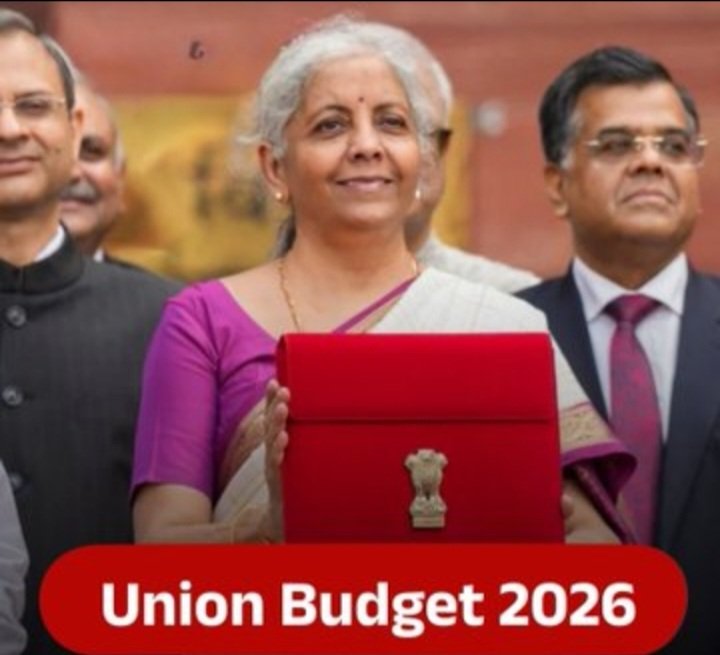
New Delhi: Finance Minister Nirmala Sitharaman on Thursday announced sweeping changes in customs and central excise duties aimed at simplifying tariffs, promoting domestic manufacturing, supporting exports, and easing living costs for citizens.
“India’s customs processes must be smoother, faster, and predictable, supporting our journey towards a Vikasit Bharat,” Sitharaman said, unveiling sector-specific measures across manufacturing, energy, healthcare, and aviation.
Key proposals include:
-
Exports & Manufacturing: Duty-free import limits for seafood processing inputs raised from 1% to 3% of previous year’s export turnover. Leather and synthetic footwear exporters will now include shoe uppers under duty-free imports, with export timelines extended from six months to one year.
-
Energy & Critical Minerals: Customs duty exemptions extended to capital goods for lithium-ion battery storage systems, sodium antimonate for solar glass, and processing of critical minerals. Nuclear power imports will enjoy duty exemptions till 2035, covering all plants irrespective of size.
-
Civil & Defense Aviation: Exemption on customs duty for aircraft components, parts, and raw materials for manufacturing, maintenance, and consumer electronics like microwave ovens.
-
Special Economic Zones (SEZs): Eligible SEZ units can sell a limited quantity of goods domestically at concessional duty to offset global trade disruptions.
-
Ease of Living & Healthcare: Customs duty on personal imports reduced from 20% to 10%. Duty exemption extended to 17 cancer drugs and additional rare disease treatments.
-
Trade Facilitation: Duty deferment period for tier 2 and 3 Authorized Economic Operators (AEOs) doubled from 15 to 30 days. Advance ruling validity extended from three to five years to improve business certainty.
Sitharaman emphasized that these reforms will deepen value addition, encourage domestic production, and enhance India’s role in global trade, all while providing relief to consumers and patients.