
Ahead of Polls, Over ₹570 Crore MLA Funds Lie Unspent in Uttarakhand; Hill Districts Trail Plains
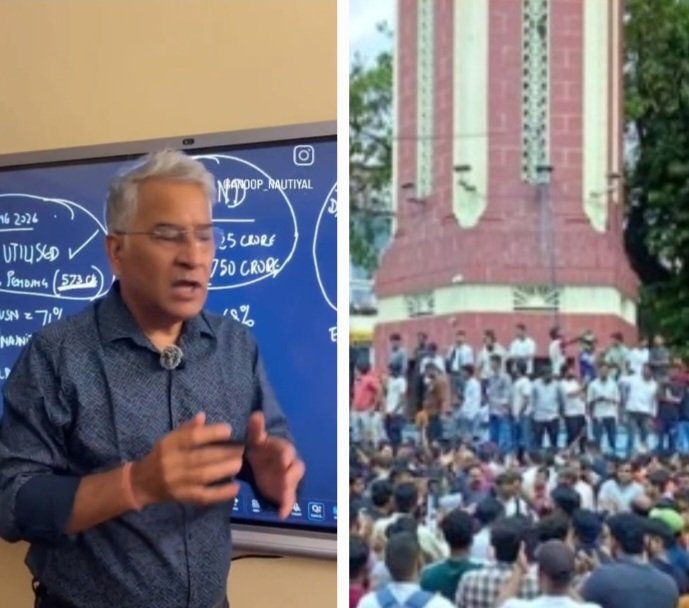
DEHRADUN — With assembly elections less than five months away, the Pushkar Singh Dhami-led Bharatiya Janata Party (BJP) government finds itself in the crosshairs over local infrastructure delivery. Recent RTI data analyzed by civic groups reveals that over ₹572 crore allocated under the MLA Local Area Development (LAD) fund remains unspent across the state, with legislators in fragile mountain constituencies lagging noticeably behind their plains counterparts.
According to data sourced from the Rural Development Commissioner's office by RTI activist Nadeem Uddin and broken down by civic analyst Anoop Nautiyal, Uttarakhand’s 70 assembly segments were allocated ₹1,664 crore between the 2022–23 fiscal year and June 2026. Across the board, overall fund expenditure stands at 66%, leaving roughly 34% of the total allocation unspent.
Congress Outpaces Ruling BJP in Constituency Spending
Despite the BJP steering Uttarakhand for nearly a decade, opposition Congress MLAs have outperformed ruling party legislators in mobilizing local development resources:
* Congress MLAs: Recorded an average utilization rate of 68%.
* BJP MLAs: Managed to utilize only 64% of their development kitties.
The spending divide among individual lawmakers has heightened political friction. Plains legislators—such as BJP’s Pradeep Batra (Roorkee) and Congress’s Furqan Ahmad (Piran Kaliyar)—led the state with 77% utilization. In stark contrast, several high-profile ruling party figures sit at the bottom tier. BJP MLA Kishore Upadhyay (Tehri) recorded the state's lowest execution rate at just 30%. Senior cabinet ministers also posted dismal figures: Cabinet Minister Subodh Uniyal spent 57%, Bharat Chaudhary utilized 57%, and Higher Education Minister Dhan Singh Rawat expended just 37% of his allocated constituency funds.
Mountain Constituencies Lag Behind the Plains
A sharp regional imbalance runs through the spending figures, exposing persistent disparities between the hills and the plains:
* Plains Districts (Haridwar & Udham Singh Nagar): Averaged a 71% expenditure rate.
* Transitional Districts (Dehradun & Nainital): Stood at 66%.
* 9 Hill Districts (Uttarkashi, Chamoli, Rudraprayag, Tehri, Pauri, Almora, Bageshwar, Champawat, and Pithoragarh): Trailed behind at 62%.
In practical terms, legislators representing the 34 mountain constituencies left over ₹306 crore unspent out of the ₹807.5 crore allocated to them.
While mountainous topography, short working seasons, and bureaucratic red tape are frequently cited as impediments, civil society groups argue that the shortfall points to political inertia and administrative disinterest. Basic grassroots interventions—such as village link roads, pedestrian bridges, disaster protection walls, and rural health clinics—have stalled simply because funds were never sanctioned or disbursed.
Facing Voter Scrutiny
As political parties begin outreach campaigns ahead of the assembly elections, sitting legislators returning to mountain hamlets face mounting public skepticism. Community forums and voters are pressing representatives to account for the hundreds of crores left idle while civic infrastructure in remote regions remains deficient.
Highlighting the gravity of this shortfall, social activist and SDC Foundation founder Anoop Nautiyal said:
"The fundamental idea behind the creation of Uttarakhand was to ensure that development reached its remote and difficult mountain regions. These figures are deeply disappointing. They suggest that public representatives from the hills have not demonstrated the urgency and commitment to development expected in a state created after a prolonged movement and many sacrifices."