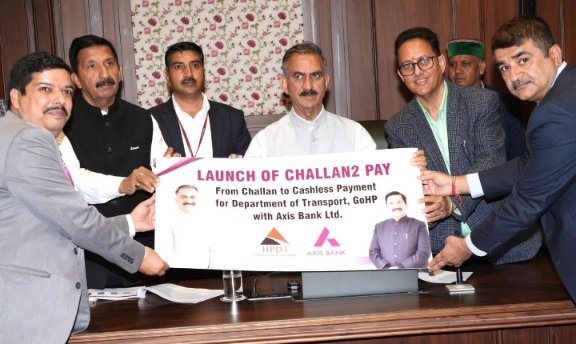
SHIMLA: The Himachal Pradesh government’s new ‘Challan 2 Pay’ initiative has triggered sharp questions from motorists and consumer-rights advocates, who are asking why the Transport Department has introduced a private-bank-backed, on-the-spot payment system when official government e-Challan facilities already allow motorists to check and pay traffic penalties online.
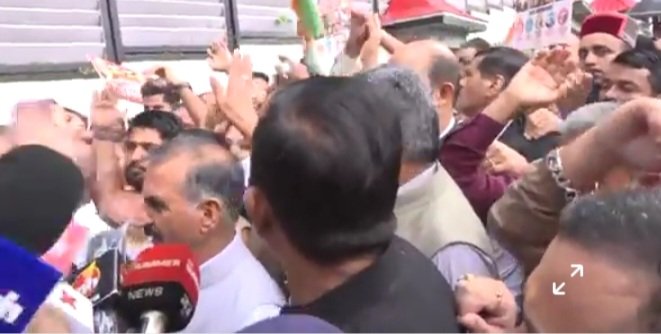
Chief Minister Sukhvinder Singh Sukhu, in the presence of Deputy Chief Minister Mukesh Agnihotri, launched the initiative on Wednesday. Under the arrangement, Axis Bank is providing POS machines to Transport Department officials for real-time digital payment of challans at the spot.
But no one disclosed as to how much a POS machine cost to the government.
The government says the system will reduce cash transactions, maintain digital records and ensure that collections are deposited directly into the state treasury.
But motorists and consumer-rights advocates have questioned what additional public benefit the new mechanism provides.
The official NextGen e-Challan platform of the Ministry of Road Transport and Highways already provides facilities to check pending challans, make online payments, download receipts and raise grievances.
Himachal Pradesh is specifically listed on the NextGen e-Challan system. The Union government's mParivahan platform also lists Himachal Pradesh among states covered by its e-Challan services.
Himachal's own government receipt system, HIMKOSH, also provides online government payment facilities and lists multiple banking and payment options for government receipts.
Against this existing digital infrastructure, citizens are asking why another bank-linked payment arrangement was considered necessary—and, more importantly, how much taxpayers' money has been paid, or will be paid, to Axis Bank under the new initiative.
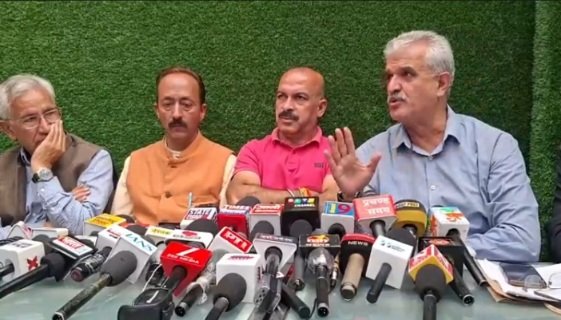
Consumer-rights advocates have demanded that the government publicly disclose the complete financial terms of the arrangement, including any bank charges, transaction fees, equipment costs, service charges, commission or other payments from the state exchequer.
They also questioned why the government and the Transport Minister did not consider the Himachal Pradesh State Cooperative Bank or another state-linked banking institution if the objective was simply to facilitate digital payments and reduce cash handling.
The issue, they said, is not whether digital payment is desirable. It is why taxpayers should potentially finance a new payment channel when an official government e-Challan system already exists.
Consumer-rights advocates have also raised concerns about the emphasis on immediate payment at the roadside. They said faster collection must not come at the expense of a motorist's right to dispute a challan.
The official e-Challan system itself provides a grievance facility, making it important that motorists issued a disputed on-the-spot challan are clearly informed about their right to challenge it rather than being nudged towards immediate payment.
The concern is particularly significant in Shimla and other congested towns, where motorists face traffic bottlenecks, inadequate parking and complicated road conditions.
Citizens argue that improving traffic management and creating an effective system to prevent wrongful challaning should receive as much attention as making penalty collection instantaneous.
The government has cited the rise in Transport Department revenue from Rs 510 crore in 2021-22 to Rs 995 crore in 2025-26.
Critics, however, questioned whether increased revenue collection should become a proxy for successful traffic management while basic problems confronting motorists remain unresolved.
The government has simultaneously announced 1,500 new electric buses for HRTC, in addition to 297 already provided, besides plans to procure 100 green-hydrogen and 100 super-deluxe buses.
The controversy over ‘Challan 2 Pay’, therefore, is no longer simply about digital convenience.
Motorists want the government to disclose the financial cost of the Axis Bank arrangement.
Behind the official pitch of digital modernisation lies a citizen-first concern: will ‘Challan2 Pay’ make traffic enforcement fairer, or merely make penalty collection faster?
With senior Transport Department officials and private-bank representatives at the rollout, motorists are seeking transparency over who designed the system, what it costs taxpayers and what safeguards protect those who dispute a challan.
Digital convenience should work for citizens—not turn roadside enforcement into an instant payment counter—especially when an official e-Challan system already exists.
The government must explain why an additional payment channel was required, and spell out what citizens receive from the new system that they could not already obtain through the official e-Challan and mParivahan platforms.
#HimachalPradesh #Challan2Pay #ConsumerRights #ShimlaTraffic