
Kedarnath's Unanswered Warning: Thirteen Years After the Deluge, Uttarakhand Must Choose Between Record Numbers and Resilient Mountains
DEHRADUN/SHIMLA, JUNE 17: The 13th anniversary of the Kedarnath disaster passed with remarkable official silence. There was little reflection in Uttarakhand's corridors of power on the June 2013 catastrophe that devastated the Kedar Valley, officially claimed over 500 lives and left thousands missing, traumatised or displaced in what remains the worst Himalayan disaster of this century.
The state's political narrative, meanwhile, remains focused on numbers. From tourism campaigns to official statements, the emphasis continues to be on attracting more pilgrims and breaking fresh Char Dham footfall records rather than assessing whether the fragile Himalayan ecosystem can withstand the mounting pressure.
The summer of 2026 has brought the overtourism debate to the forefront. Social activist Anoop Nautiyal has observed that this may be remembered as the year when Uttarakhand finally understood the meaning of overtourism, with concerns over overcrowding moving from environmental circles into everyday public discourse.
Kedarnath has emerged as the epicentre of the Char Dham rush. Data analysed by the SDC Foundation shows that while overall Char Dham footfall declined by 3.7 per cent during the first month of the 2026 Yatra, Kedarnath alone registered an increase in pilgrim arrivals, accounting for over 40 per cent of the total pilgrimage traffic.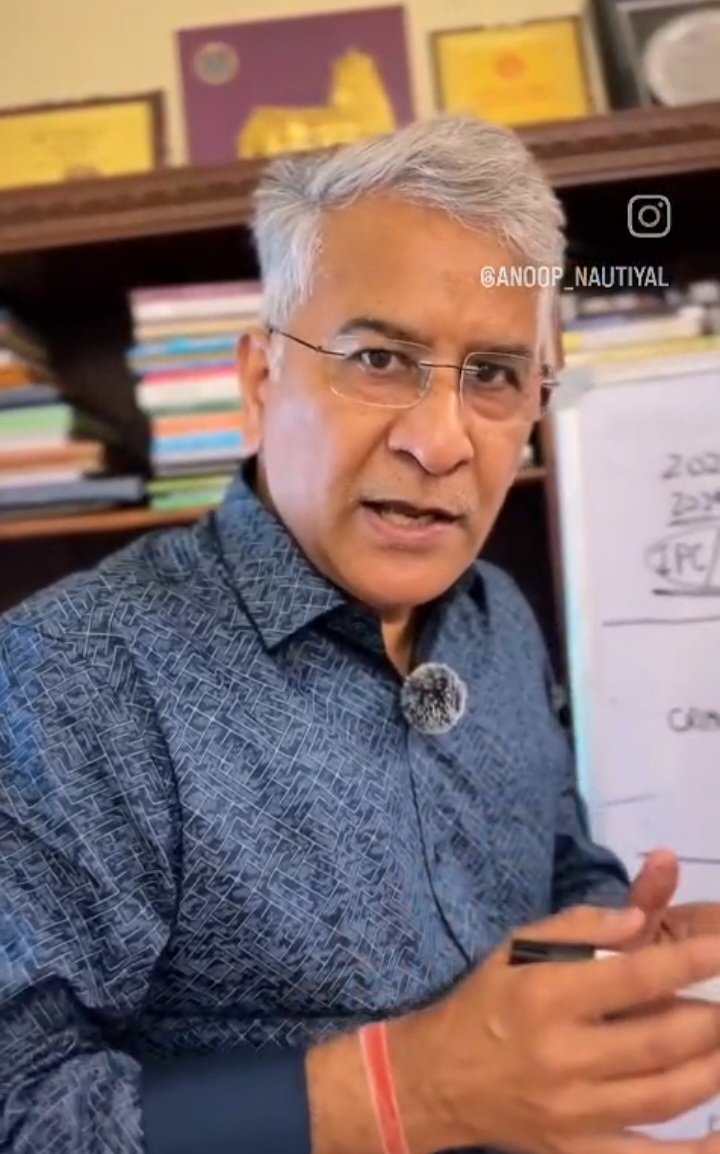
Around 55,000 pilgrims are reaching the shrines daily, placing enormous pressure on roads, accommodation, emergency services and mountain ecosystems.
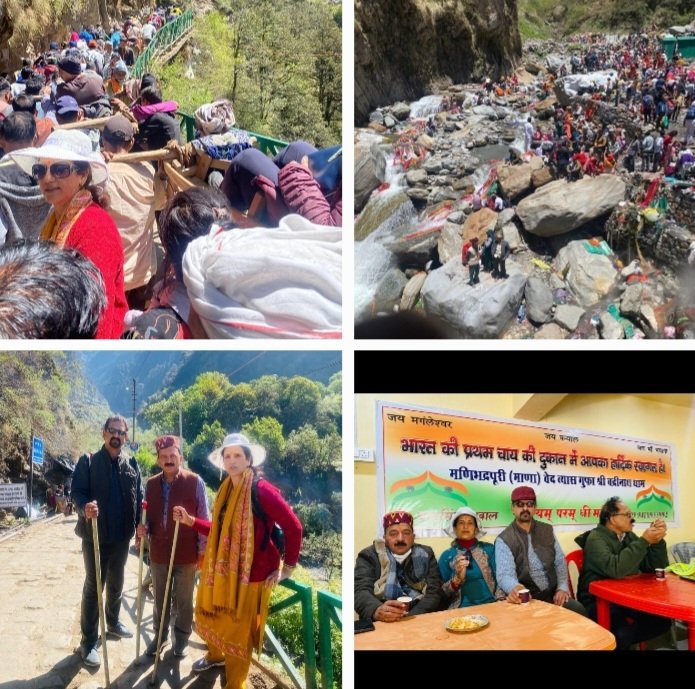
The ordeal faced by pilgrims during May and June has become impossible to ignore. Massive traffic snarls, overcrowded transit points, accommodation shortages, long queues and congestion on mountain routes have increasingly become part of the pilgrimage experience rather than exceptions.
Experts warn that narrow Himalayan valleys are being pushed beyond their carrying capacity during peak weeks.
Former District and Sessions Judge from Shimla Prem Pal Ranta has raised similar concerns after recently undertaking the Char Dham Yatra.
Writing in HimbuMail, Ranta cautioned that the pilgrimage is gradually losing its spiritual essence amid crowd pressure, unregulated expansion, traffic chaos and administrative obsession with footfall figures.
He argued that pilgrimage management must prioritise safety, dignity and ecological sustainability over publicity-driven record making.
The warning from experienced observers is becoming increasingly stark. Ranta noted that the Yatra often leaves elderly pilgrims, women and families struggling through avoidable hardships caused by poor crowd management and inadequate planning.
According to him, the focus must shift from celebrating numbers to ensuring that pilgrims can undertake the journey safely and peacefully while preserving the sanctity of the Himalayas.
Independent studies have repeatedly questioned the state's approach. A report released by the SDC Foundation criticised what it described as an obsession with record-breaking pilgrim numbers, warning that overcrowding, environmental degradation and safety lapses are turning a sacred pilgrimage into a management challenge of alarming proportions.
The environmental risks are no longer theoretical. Increasing vehicular traffic, expanding construction activity, growing waste generation and pressure on water resources are steadily altering the ecological balance of the Char Dham corridor.
Experts argue that climate change is already making the Himalayas more vulnerable to extreme weather events, landslides and flash floods.
The human cost is also raising concerns. Reports indicate that the ongoing Yatra season has witnessed a significant rise in pilgrim deaths, particularly along the Kedarnath route, highlighting the physical risks associated with high-altitude travel and overcrowded pilgrimage conditions.
The memory of Kedarnath should have inspired a culture of caution. Instead, critics argue that the dominant policy objective appears to remain the pursuit of larger crowds, more vehicles and higher tourism numbers without a corresponding investment in carrying-capacity studies, disaster preparedness and ecological safeguards.
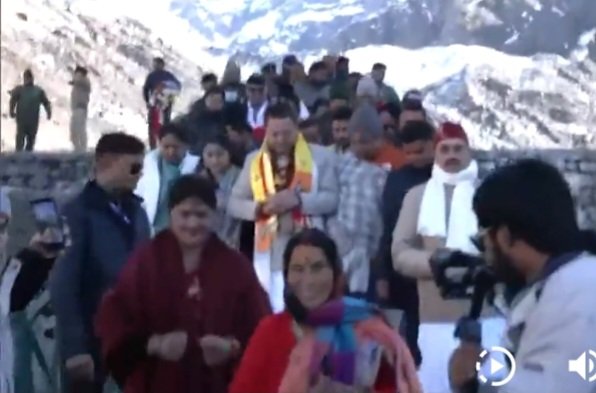
The Dhami government faces a moment of reckoning. Thirteen years after the deluge, the question confronting Uttarakhand is whether Char Dham will continue to be managed as a numbers-driven tourism enterprise or as a sacred Himalayan pilgrimage requiring strict ecological limits and scientific planning.
The mountains are sending unmistakable signals. Whether the state chooses to heed them through serious soul-searching and corrective action may determine if Kedarnath's tragedy remains a lesson learnt—or merely a warning ignored.
#KedarnathDisaster #CharDhamYatra #Overtourism #UttarakhandNews