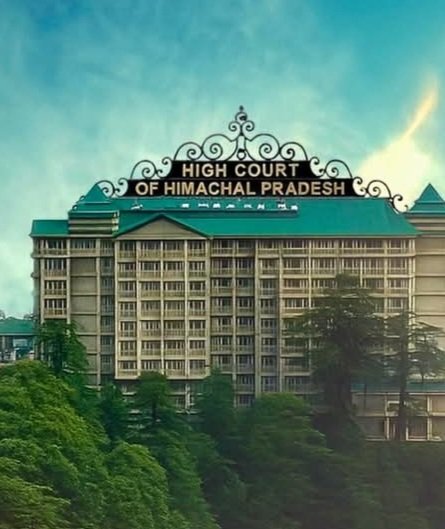

When Mock Drills Get Mocked by Reality: HP’s Mega Earthquake Drill Raises Eyebrows Amid Past Disasters, as we never learn the lessons.
Shimla | June 6, 2025
Once again, Himachal Pradesh went into drill mode on June 6, 2025, conducting its 9th State-Wide Mega Mock Exercise on earthquake preparedness.
With 109 simulation sites across the hill state, the event looked like a war-game on paper — featuring everything from glacial lake bursts, landslides, dam breaches, and building collapses to oil spills and hospital emergencies.
But here’s the real question — will we ever be ready when the real thing hits?
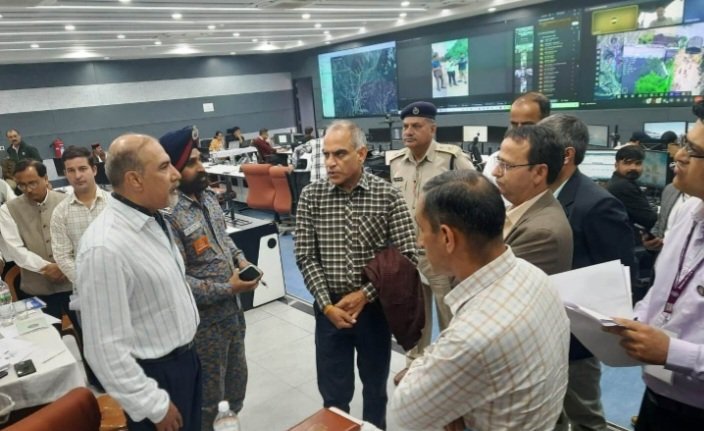
Despite the state's show of strength and coordination involving the NDRF, ITBP, Indian Army, SDRF, Home Guards, Fire Services, and other response units, history has repeatedly shown that disaster often strikes harder than our preparedness can withstand.
Or they strike and catch every body Napping and expose all our hypocrisy and claims
Take the 1905 Kangra earthquake — one of India’s deadliest — which killed over 20,000 people. Understood. We were then a subjugated nation, no much idea about Disasters.
Then fast forward to the infamous Pareechu lake scare in 1997 that washed awsy dozens of bridges on national highways without a hint in Kinnaur or then came the 2023 floods that killed over 500 people, threw the entire Himachal into chaos.
The floods exposed how rampant corruption has produced poor infrastructure- roads, bridges and buildings.
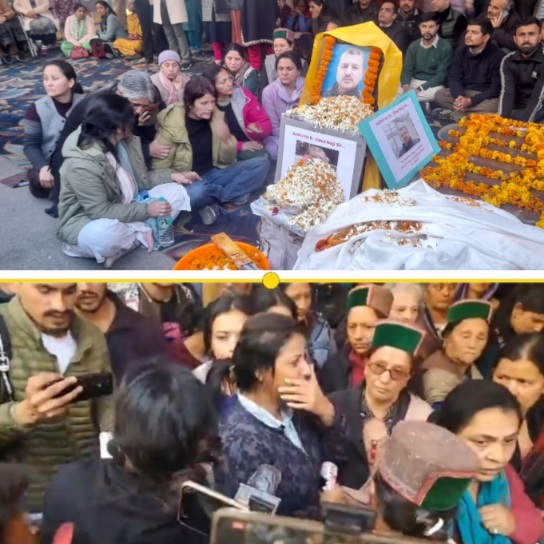
More recently, Himachal witnessed the Samej Nallah tragedy in 2024, where over 50 lives were lost in a flash flood no one saw coming — or perhaps, ignored until it was too late.
Despite years of mock drills, satellite maps, warning systems, and dozens of coordination meetings, disasters keep turning these drills into nothing more than rehearsals without the script.
The floods of 2023 and 2024 exposed how response systems crumble, communication collapses, and victims are left fending for themselves before help arrives — if it arrives at all.
At the debriefing, Additional Chief Secretary (Revenue-DM) K.K. Pant emphasized, “The more we sweat in peace, the less we bleed in war.”
But ground realities suggest otherwise. People are bleeding in both peace and war. Drills are scripted, actors are briefed, and response times rehearsed — but real-life disasters come unannounced, in chaos, and with no warning bell.

Director-cum-Special Secretary D.C. Rana rightly urged for stronger medical planning and better GIS mapping.
But one wonders — haven’t we heard this before? Every year, after every drill and every disaster, similar promises are made, gaps are identified, and “corrective action” is pledged.
But when it rains in the hills — it floods in the plains. And when an earthquake does strike, it’s not the disaster cell but the local villagers and stranded tourists live-streaming SOS videos that break the news.
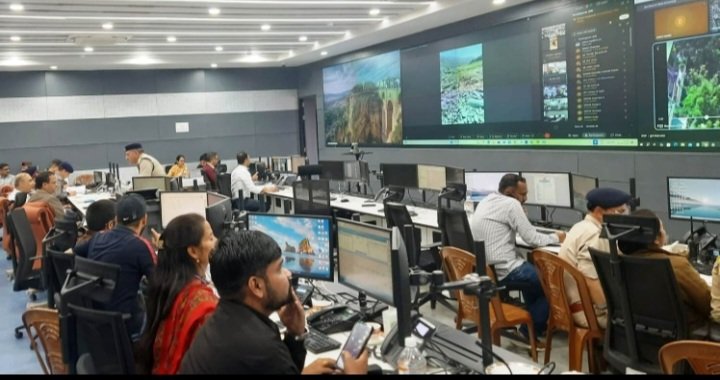
Maj. Gen. Sudhir Behl (Retd.) from NDMA rightly pointed out the need for coordination.
But what about accountability? Do we learn lessons? Keep pur teams ready combatness.
Who was held responsible for delayed rescue in the Samej Nallah floods or the botched communication during the 2023 Satluj flood emergency?
Mock drills are important, no doubt. But when they become annual rituals, disconnected from on-ground capability, they turn into tragic reminders of how unprepared we still are. And that’s the hard truth.
#MockDrillsOrMockery
#LessonsUnlearnt
#SamejTragedyStillHurts
#DisasterPoliticsHimachal