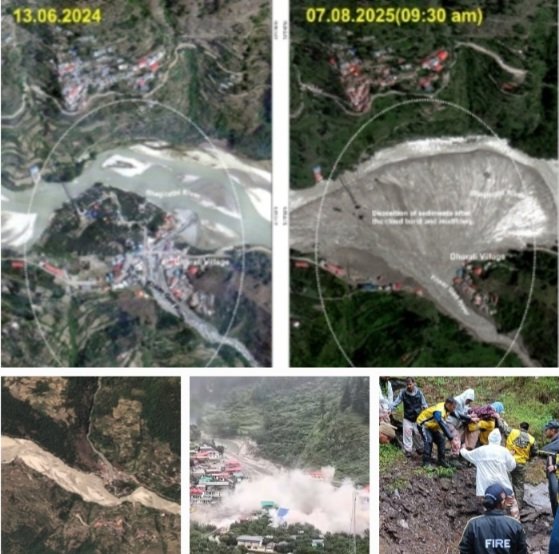
Over 100 Still Missing as Search Operations Continue for Fourth Day in Uttarkashi Flash Flood; GLOF Ruled Out
Dehradun/Dharali, Uttarkashi | August 8, 2025
Four days after a deadly flash flood swept through Dharali village in Uttarkashi district, over 100 people remain missing as rescue and search operations by the Indian Army, State Disaster Response Force (SDRF), and National Disaster Response Force (NDRF) continue in full swing.
Triggered by a sudden cloudburst over the upper Kheerganga catchment on August 5, the flood caused widespread devastation, burying homes under debris, damaging infrastructure, and leaving entire communities cut off.
GLOF Ruled Out After Satellite-Based Investigation
Initial fears of a Glacial Lake Outburst Flood (GLOF)—a known hazard in the fragile Himalayan region—were widespread.
However, satellite-based scientific investigations have ruled out a glacial lake burst as the cause of the disaster.
A combined assessment by the National Remote Sensing Centre (NRSC) and Suhora Earth Observation used high-resolution optical satellite imagery and Synthetic Aperture Radar (SAR) to examine the affected terrain.
“We cross-verified with our inventory of over 33,000 glacial and non-glacial lakes.
No breach was detected,” a Suhora scientist confirmed. “This was a classic case of intense cloudburst, not a GLOF.”
Scale of Destruction: 108 Buildings Damaged, Roads Washed Out
The scale of damage remains severe. According to satellite analysis and ground verification:
108 buildings in Dharali and nearby areas have been damaged or destroyed
One bridge was washed away
Nearly 1 km of road was rendered unusable
NH-34, the arterial route to Gangotri, was temporarily blocked by landslide debris
Farmlands were inundated, and livestock lost
The Bhagirathi River and its tributary, Kheer Gaad, overflowed violently, reshaping riverbeds and depositing thick layers of mud across a 20-hectare zone at the flood’s confluence point.
Search Efforts Intensify Amid Difficult Terrain
Despite four days of non-stop operations, rescue workers are racing against time.
Landslides, slush, and broken access routes continue to slow progress.
Helicopters have been deployed for aerial surveys and evacuation while drones and satellite data guide teams toward potential survivor zones.
Ground teams are conducting door-to-door checks in partially buried villages and have set up temporary relief camps for displaced residents.
A senior SDRF officer noted, “The terrain is challenging, and many areas are still inaccessible. But our teams are committed to bringing every missing person home—dead or alive.”
#RescueInProgress
Mounting Concerns in a Warming Himalaya
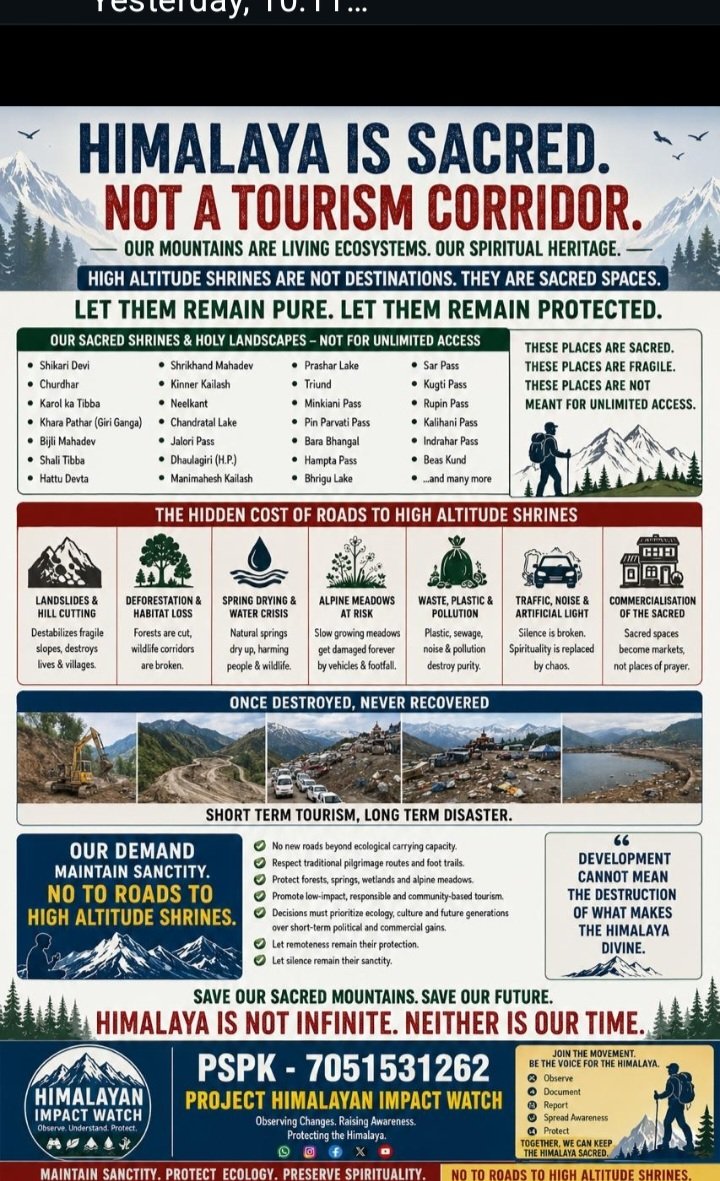
The Dharali flood is another painful reminder of the increasing fragility of Himalayan ecosystems under climate stress.
Experts point to more frequent extreme weather events, such as cloudbursts and landslides, as the new normal.
“This incident shows that even without a GLOF, intense localized rain can be equally catastrophic,” said an environmental scientist working with the Uttarakhand government.
“Disaster preparedness, early warning systems, and safe development practices are urgently needed in these regions.”
The Search Continues
As day turns to night on the fourth day, hope flickers but does not fade in Dharali.
Families wait and hoping against hope.
#UttarkashiFlood
#ClimateDisaster
#DisasterResponse
#RescueInProgress
#HimalayasAtRisk