Tribal NGOs and Leaders Urge Lakra Redeem Their Woes: Tribals Slam Seli-Miyar Projects, Demand Jobs, Health & Schools
SHIMLA/KULLU/KEYLONG, MAY 4:
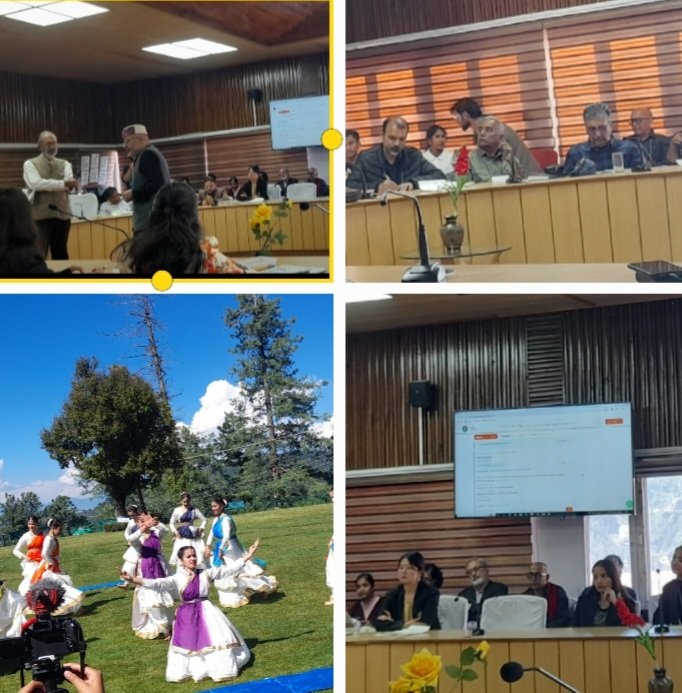
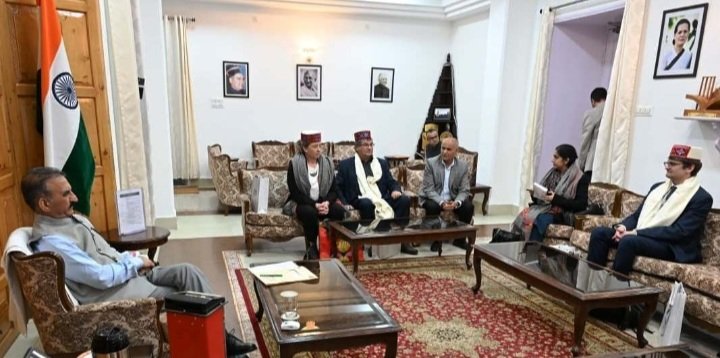
The tribal voice of Lahaul-Spiti rang loud and clear in Kullu today as a joint delegation of various people's organisations met with Dr. Asha Lakra, Member, National Commission for Scheduled Tribes (NCST), and put forth a detailed and passionate resistance against destructive development in the name of progress.
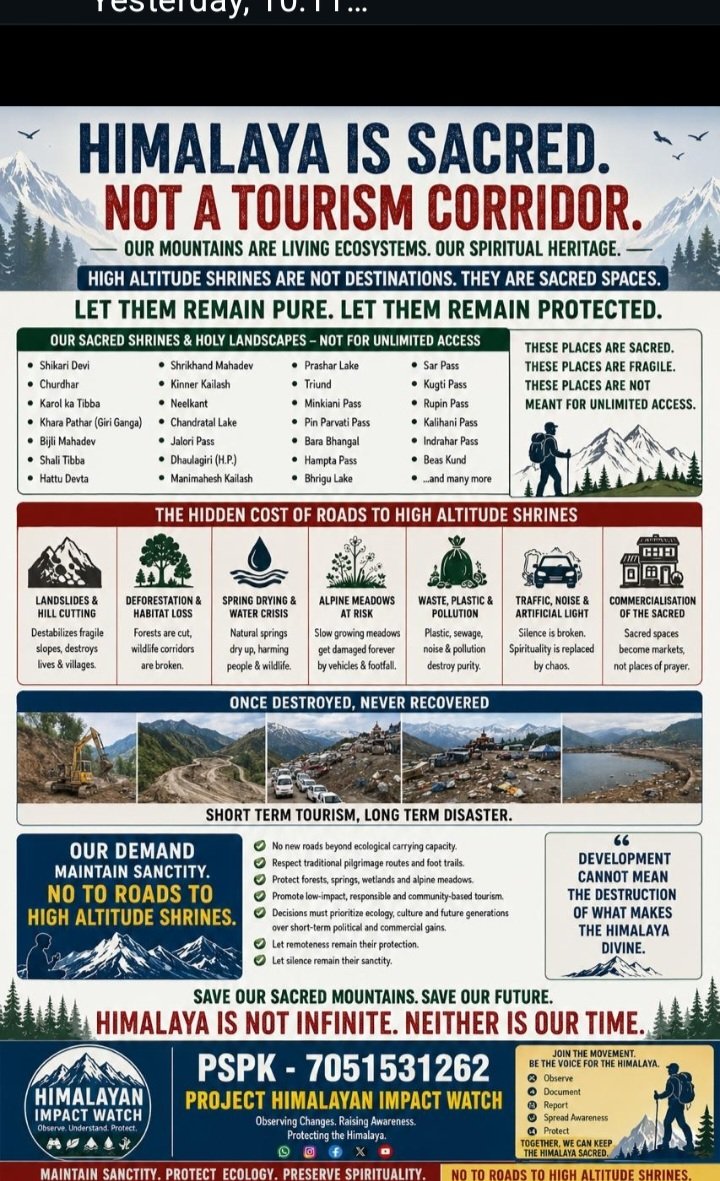
Defying the state government’s push to execute the controversial Seli and Miyar hydro power projects, the delegation accused authorities of ignoring the fragile ecology, the tribal way of life, and their legal rights enshrined under the Constitution.
"Lahaul-Spiti's glaciers are shrinking, and hydro projects are a ticking time bomb for our ecology," warned B.S. Rana of Save Lahaul-Spiti.
He expressed deep concern over the state's relentless pursuit of mega power projects without consulting local communities. "These projects threaten not just our environment, but our survival itself," he added.
Renowned writer Ajey echoed the concerns, saying, “The entire Himalayan region is under assault in the name of big development. Our cultural identity and fragile resources can't bear this pressure.
We demand small-scale, sustainable development, not bulldozed mega-plans.” He called for eco-tourism and micro-level development in interior tribal belts, rather than sweeping, one-size-fits-all industrial ventures.
Social activist Prem Katoch came down hard on the failure to implement the PESA Act (Panchayats Extension to Scheduled Areas) in true spirit.
“We tribals are losing our forests, our lands, and our voice. PESA and other tribal protection laws are meant to stop this destruction—but the state is bypassing them,” he said.
BD Parshira, speaking for the Tribal Welfare Committee, pointed to the worsening employment crisis in the region.
“Where are the jobs for tribal youth? Why are private sector companies not mandated to provide reservations for us? We need urgent intervention,” he demanded.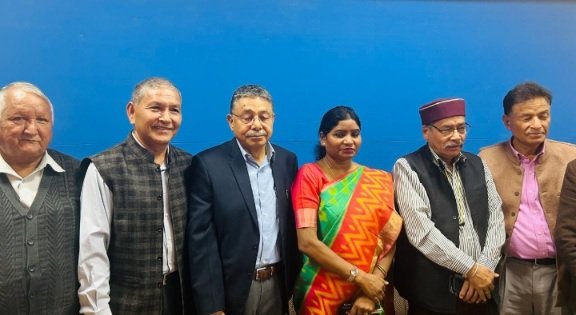
From health to education, the list of grievances continued. Dr. Jay Prakash, former WHO Regional Director (South-East Asia), lamented the lack of a functioning field station ICMR at Keylong that will identify the health problems, factors responsible for the problems and interventions that can lead to policy formulation for the tribal belt.
“Basic healthcare is a distant dream in Lahaul-Spiti. Despite repeated proposals, a district level fully equipped and staffed hospital is nowhere in sight. People's lives are being risked every day,” he said.
Meanwhile, Tashi Angrup of Jan Chetna Samiti raised alarm over the closure of government schools and the increasing privatization of education.
“Our children are being pushed out of learning. We demand more centrally run institutions like Kendriya Vidyalayas, Navodaya Vidyalayas, and Eklavya Model Schools,” he said.
Listening patiently, Dr. Asha Lakra advised the delegation to submit a detailed written memorandum and also upload their concerns on the NCST web portal, assuring them that “concrete efforts would be made to raise these concerns with the concerned ministries and state authorities.”
With every speaker holding a mirror to the system, today's meeting wasn't just a petition—it was a tribal roar for rights, survival, and dignity.
#SaveLahaulSpiti #StopSeliMiyarProjects #TribalRightsNow #EcoNotEgo