Shimla: The Sukhvinder Singh Sukhu government is set to announce a state Nutrition Policy in the upcoming budget, claiming it will make Himachal Pradesh the first state in the country to implement such a policy.
CM has not revealed the entire contours of the policy, but it has stirred up debate in intellectual circles here.
Making the announcement, the Chief Minister said it has become increasingly important to understand what people are eating and how it affects their health, signalling that the government wants to shape dietary awareness and consumption patterns in the state.
However, the proposal has already stirred debate among observers who question whether the state should go beyond its existing role and venture into defining nutrition choices for the entire population.
At present, the government already regulates nutrition standards in welfare schemes such as the Public Distribution System and the Midday Meal Scheme, where food supplied to beneficiaries and schoolchildren follows clearly defined nutritional norms.
Critics say the state’s mandate should largely remain limited to ensuring adequate nutrition through such schemes, rather than attempting to frame a policy that may appear to influence or prescribe what citizens should eat in their private lives.
Many policy observers argue that a far more pressing concern is food quality and safety in the market.
Instead of venturing into citizens’ dietary habits, they say the government would do better to strengthen enforcement by the Food Safety and Standards Authority of India and the state food safety machinery.
Regular inspections by food safety officers could ensure that milk and milk products, paneer, fruits, vegetables, edible oils, ghee and other food items, baked food, mineral water and juices sold in markets and in the mushrooming Shopping Malls meet safety standards.
Similarly, strict monitoring of substandard, adulterated or contaminated food items, junk and frozen foods being served in restaurants, eateries and roadside joints would go a long way in protecting public health.
Observers point out that there is virtually no systematic checking of stale or unsafe food items in eateries, which are mushrooming rapidly in tourist hubs like Shimla.
Despite the growing number of restaurants, dhabas and fast-food outlets, food safety officers are rarely seen lifting samples for laboratory testing, raising serious concerns about what is actually being served to residents and tourists.
In a tourist-heavy state like Himachal, where lakhs of visitors arrive every year, ensuring clean and safe food in markets and eating joints is considered far more critical than dictating dietary preferences.
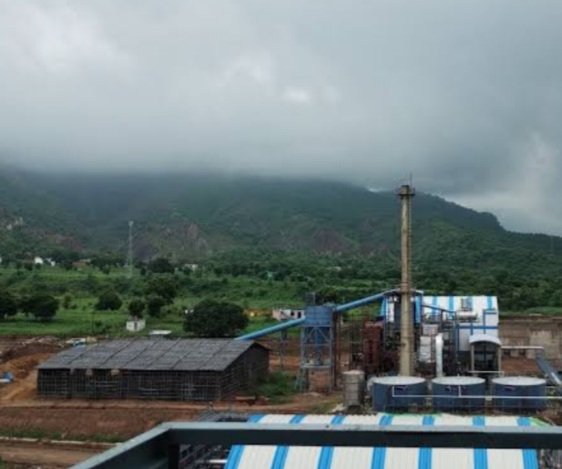
Meanwhile, the Chief Minister also announced a push for the dairy sector, revealing that an MoU has been signed for a dairy processing unit, with plans to establish similar facilities across the state.
The government plans to invest another ₹300 crore in the project in the coming years to strengthen milk procurement, processing and marketing and boost incomes of farmers and livestock rearers.
While the dairy initiative has been largely welcomed, the proposed Nutrition Policy is likely to trigger a larger debate on the limits of government intervention in citizens’ lifestyles and personal choices once it is formally announced in the budget.
#HimachalPradesh #NutritionPolicy #FoodSafety